
Sidd Mahajan UK: From Operational Roots to Experience-Driven Real Estate London’s real estate market has never been static, but 2026 marks a shift that feels more structural than cyclical. The conversation is no longer centred only around ownership or location, it is increasingly about how a space is experienced over time. For Sidd Mahajan UK, also known as Siddharth Mahajan, Founder and Managing Director of Tulip Real Estate, this evolution reflects a natural progression of the industry. His own journey into real estate has been shaped by a combination of early business exposure, hospitality training, and hands-on operational experience across sectors. Coming from a family with roots in logistics, construction, and traditional businesses, the fundamentals of scale, efficiency, and execution were introduced early. This foundation was later complemented by formal training in hospitality, where the focus shifts from building assets to creating consistent user experiences. Today, through Tulip Real Estate in London, these perspectives converge, shaping a portfolio that spans residential investments and hospitality-led assets across key locations. Beyond Ownership: The Emergence of Managed Living The idea of owning a home has long defined London’s property aspirations. However, the current market is revealing a parallel demand, one that prioritises flexibility, service, and ease of living. Managed living, often associated with the build-to-rent ecosystem, is gaining traction not because ownership is losing relevance, but because urban lifestyles are becoming more fluid. For Sidd Mahajan London, this shift is visible across the types of properties gaining attention. Developments in areas such as Canary Wharf, Battersea, and other regeneration-led districts are increasingly being evaluated not just on their physical specifications, but on how they support day-to-day living. The expectation is no longer limited to space. It extends to how that space performs. Sidd Mahajan UK on Hospitality Thinking in Real Estate One of the defining influences on this transition is hospitality. Having built experience across hospitality environments before expanding into real estate, Sidd Mahajan Tulip approaches property with a service-led mindset. This becomes particularly relevant in managed living formats, where the success of an asset depends on more than occupancy. It depends on: Consistency in service Efficiency in operations Attention to resident experience over time These are principles long associated with hospitality, now finding a strong presence within residential real estate. Through Tulip Real Estate’s involvement in both residential and hotel-linked assets, this intersection is not theoretical, it is operational. Experience Backed by Execution Before establishing his own ventures, Siddharth Mahajan London spent over a decade working within the mobility and transport sector. Notably, he was part of building and scaling one of India’s early intercity electric bus initiatives, managing operations at a time when the ecosystem itself was still developing. This experience plays a significant role in shaping his approach to real estate today. It introduces a level of operational discipline, understanding how assets function over time, how systems scale, and how user expectations evolve with exposure. In London, where Tulip Real Estate has expanded across multiple projects, this translates into a focus on long-term usability rather than short-term positioning. Why London Is Adopting This Model Faster London’s global nature makes it particularly responsive to shifts in how people live. A highly mobile population, international workforce, and evolving work patterns have created demand for housing that is not only well-located, but also adaptable and service-oriented. For Siddharth Mahajan London, this explains why managed living is not a niche concept. It is steadily becoming a relevant part of mainstream real estate, especially in areas undergoing transformation, where new developments are designed with integrated living experiences in mind. Tulip Real Estate’s presence in such locations reflects a focus on aligning with where demand is moving, not where it has already peaked. Redefining Value in a Changing Market What ultimately distinguishes this phase in London real estate is a broader redefinition of value. Value is no longer derived solely from ownership or appreciation. It is increasingly linked to how effectively a property supports its occupants over time. For Siddharth Mahajan Tulip , this shift requires a different lens, one that combines: Investment strategy Operational understanding Experience-led thinking It is this combination that allows real estate to move beyond static assets and become part of a larger, evolving urban ecosystem. A More Integrated Future for Real Estate London’s property market is entering a phase where boundaries between sectors are becoming less rigid. Residential, hospitality, and service-driven models are beginning to overlap, creating more integrated forms of living. Through his work across Tulip Real Estate and prior operational experience, Sidd Mahajan UK represents this convergence, where real estate is not only developed, but continuously refined through how it is used. Because in a city like London, the future of property will not be defined by what is built alone. It will be defined by how it is experienced. Connect with Sidd Mahajan UK to explore how experience-led real estate is shaping London’s next phase of growth.
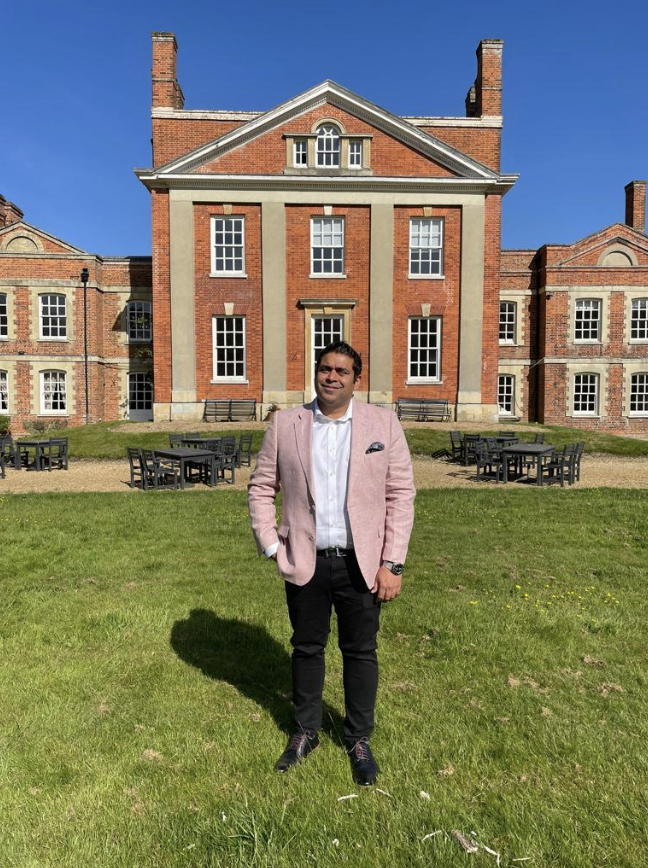
Siddharth Mahajan and the Rise of Landmark Pinnacle; Redefining Premium Living in London
In the dynamic realm of London property, few developments have captured the imagination of investors, residents, and global businesses alike the way Landmark Pinnacle has. At the heart of this success story stands Siddharth Mahajan, the visionary Founder and Managing Director of Tulip Real Estate, whose strategic acquisition of premium residential space within Europe’s tallest residential tower demonstrates both ambition and deep market insight. Located in the financial powerhouse of Canary Wharf, Landmark Pinnacle epitomises modern luxury living, a soaring testament to architectural excellence and lifestyle-centric design. When Sidd Mahajan London secured two premium floors within this landmark structure, it wasn’t just another property transaction, it was a clear signal that Tulip Real Estate was intent on shaping London’s skyline with assets that speak to global demand and long-term value. Why Landmark Pinnacle Matters For investors and high-net-worth individuals, Landmark Pinnacle represents more than premium square footage, it stands at the intersection of capital appreciation and contemporary living. With close railway links including the Elizabeth Line and direct access to Canary Wharf’s commercial ecosystem, residents enjoy seamless urban mobility while tapping into one of the UK’s fastest-growing business districts. This connectivity is crucial in a world where flexibility and location converge to define premium lifestyle metrics. Under Siddharth Mahajan’s leadership, Tulip Real Estate’s involvement goes beyond ownership; it reflects a deep understanding of demographic shifts, corporate demand, and long-term yield potential. This strategy is a cornerstone of Siddharth Mahajan’s philosophy, real estate investments should deliver strong fundamentals and purposeful living experiences. Strategic Portfolio Diversification While Landmark Pinnacle shines as a flagship residential play, Tulip Real Estate’s portfolio under Sidd Mahajan London extends well beyond a single asset. The firm also holds strategic properties such as residential apartments in Amory Tower, another Canary Wharf favourite, and a significant block on New Kent Road, all assets chosen for their high-growth corridors and lasting demand. These properties, combined with Tulip’s focus on data-driven acquisition and asset management, underscore a core tenet of Siddharth Mahajan’s business leadership: diversification isn’t just risk management, it’s intelligent growth. By balancing residential core assets with mixed-use opportunities and hospitality extensions, Tulip Real Estate positions itself to absorb market fluctuations while consistently delivering value to stakeholders. Also Read: Why London’s Real Estate Momentum Is Unmissable in 2026 Legacies, Not Just Investments What sets Sidd Mahajan apart is not just a knack for pinpointing prime assets, it’s a talent for reading London’s long-term narratives. London’s property landscape is complex, shaped by infrastructure expansions, global capital flows, and evolving lifestyle preferences. Siddharth Mahajan’s approach has always been to find investments that resonate with how people want to live and work years from now. The acquisition of Landmark Pinnacle is a bold move, but for Siddharth Mahajan London, it’s also a piece of a larger vision, one where Tulip Real Estate isn’t just reacting to market dynamics but helping define them. Landmark Pinnacle’s success offers a powerful lesson to investors everywhere: when you partner vision with strategy, every square foot becomes a story of opportunity. Ready to elevate your property portfolio with visionary leadership? Connect with Tulip Real Estate today.

5 Key Trends Shaping the London Real Estate Market in 2025: Year-End Insights from Sidd Mahajan
As 2025 draws to a close, it’s the perfect moment to reflect on the seismic shifts that have reshaped London’s property landscape this year. Sidd Mahajan, Founder and Managing Director of Tulip Real Estate, has been at the forefront of identifying and capitalizing on these transformative trends, positioning his company not just as a market participant, but as a genuine innovator anticipating what’s next. Looking back at the predictions made at the start of 2025 versus what actually unfolded reveals fascinating insights about where the market is heading. Here are the five defining trends that have dominated London real estate this year, and what they mean for 2026 and beyond. 5 Key Trends Shaping the London Real Estate Market The Sustainability Revolution: From Buzzword to Business Imperative If there’s one trend that has fundamentally altered the London property game in 2025, it’s the unstoppable rise of green real estate. What Sidd Mahajan London predicted early this year has proven prophetically accurate: sustainability isn’t just a “nice-to-have” anymore, it’s non-negotiable. Tenants across London are now willing to pay premiums averaging 11% for green-certified office space, while BREEAM-rated office buildings in the UK command between 8% and 12% higher sales prices and 16-20% higher rental rates compared to non-green buildings. The numbers tell a compelling story, but Sidd Mahajan London understood the deeper narrative: younger buyers and renters increasingly view environmental credentials as essential, not optional. Tulip Real Estate’s strategic pivot toward energy-efficient retrofits and adaptive reuse projects this year wasn’t just environmentally conscious, it was brilliant market timing. As 2025 ends, properties with strong sustainability credentials are appreciating faster and attracting better tenants, validating Sidd Mahajan‘s early bet on green development. The Rental Market Renaissance: London’s Unexpected Star Performer Here’s what caught many industry veterans off-guard in 2025: while property sales experienced moderate growth, London’s rental market absolutely exploded. Average London rents grew 11% in the 12 months to January 2025, reaching £2,227 per month, significantly outpacing the England average. Siddharth Mahajan London anticipated this surge, understanding that high mortgage rates would keep many would-be buyers in the rental market longer than expected. His strategic focus on serviced apartments and boutique rental properties positioned Tulip Real Estate perfectly to capitalize on what became 2025’s hottest segment. The rental boom wasn’t uniform, though. Areas like Hackney, Walthamstow, Stratford, and Croydon saw the strongest rental growth, where mid-range rents and transport accessibility drove consistent occupancy. Sidd Mahajan Tulip recognized early that success in 2025 wouldn’t come from chasing prime central locations alone, it required understanding emerging neighborhoods where affordability met connectivity. Also Read: How Siddharth Mahajan is Redefining Modern Hospitality The Stamp Duty Scramble: Q1 Transaction Frenzy and Its Aftermath The year began with a dramatic rush. With stamp duty concessions ending in March, the number of first-time buyers approaching estate agents was 13% higher compared to the same period last year. This created a fascinating market dynamic that Sidd Mahajan navigated with characteristic strategic precision. Rather than simply riding the Q1 wave, Sidd Mahajan London advised clients to look beyond the immediate frenzy, correctly predicting that post-March would present opportunities for strategic acquisitions as the market normalized. This year-long perspective, seeing beyond quarterly fluctuations to annual trends, exemplifies the forward-thinking approach that distinguishes Tulip Real Estate. As the year closes, industry experts predict London property price growth of 2% for the next 12 months, accelerating to 3.5% by 2026, validating Sidd Mahajan UK‘s patient, long-term investment philosophy. Tech-Integrated Living: Smart Homes Move from Luxury to Standard Throughout 2025, we’ve witnessed smart home technology transition from premium amenity to baseline expectation. Buyers and renters now routinely expect integrated energy management systems, remote security, high-speed connectivity, and intelligent climate control as standard features. Siddharth Mahajan London recognized this shift early, ensuring Tulip Real Estate’s properties incorporated thoughtful technology integration that enhances rather than complicates daily living. The key insight? Technology should be invisible yet indispensable, improving efficiency and comfort without overwhelming residents with unnecessary complexity. As the year ends, properties lacking smart infrastructure are noticeably harder to rent and sell at premium prices. Sidd Mahajan’s early adoption of tech-forward property management has proven prescient, positioning Tulip Real Estate’s portfolio as contemporary rather than merely current. The Commuter Belt Comeback: Return-to-Office Reshapes Demand Perhaps the most surprising reversal of 2025 has been the resurgence of traditional commuter patterns. Lower levels of homeworking and the need to return to commuter hotspots near major employment hubs helped spearhead stronger-than-expected performance in London throughout the year. Sidd Mahajan London astutely observed this emerging pattern early, recognizing that the pandemic-era “race for space” was unwinding faster than many expected. Properties with excellent transport links to central London business districts suddenly regained their premium positioning, a shift that caught many developers who’d doubled down on remote suburbs by surprise. Tulip Real Estate’s strategic emphasis on well-connected locations near transport hubs paid dividends throughout 2025, as professionals reluctantly accepting office mandates prioritized commute convenience over extra square footage. What This Year Taught Us About 2026 As we close the books on 2025, several lessons emerge clearly. The London property market rewards those who can identify structural shifts beneath surface-level volatility. Sidd Mahajan London has consistently demonstrated this capability, seeing sustainability’s inevitability before it became obvious, understanding rental market dynamics ahead of the curve, and positioning properties for technology integration before it became essential. Looking toward 2026, Sidd Mahajan and Tulip Real Estate are already strategically positioned for emerging opportunities: continued sustainability premiums, potential mortgage rate decreases stimulating buyer activity, and ongoing rental demand driven by affordability constraints. The trends that shaped 2025 aren’t temporary aberrations, they’re foundational shifts redefining London real estate for the decade ahead. Companies like Tulip Real Estate, led by forward-thinking innovators like Sidd Mahajan London, aren’t just adapting to these changes, they’re actively shaping them. As we turn the page to 2026, one thing is certain: understanding where the market has been is valuable, but knowing where it’s going is invaluable. ***Ready to Position Yourself

Why Real Estate is the Best Long-Term Investment: Insights from Sidd Mahajan
In today’s dynamic investment landscape, conversations often revolve around gold, stocks, or cryptocurrencies. Yet real estate continues to hold a unique position as a reliable long-term investment. Sidd Mahajan UK, Founder and Managing Director of Tulip Real Estate, London, offers insights drawn from years of experience in the property sector, emphasizing why real estate remains a cornerstone of wealth building. Real Estate as a Tangible Asset One of the main advantages of investing in real estate is its tangibility. Unlike stocks or digital assets, properties offer a physical, controllable investment. Sidd Mahajan London points out that this tangibility provides both financial and psychological security. Investors can see and manage their assets directly, make improvements, or leverage them for income through rentals or commercial leasing. This dual benefit; long-term appreciation combined with regular cash flow, is a key reason property continues to outperform many other investment options over time. Stability Amid Market Volatility While markets for gold or cryptocurrencies can be highly volatile, real estate tends to offer greater stability. Sidd Mahajan explains that property values are driven by fundamental factors such as location, infrastructure development, and demand dynamics. Even during periods of economic uncertainty, well-chosen properties in prime or emerging areas tend to retain value and recover steadily. For long-term investors, this stability is a major advantage, allowing portfolios to grow consistently without excessive exposure to sudden market fluctuations. Income Generation and Financial Flexibility Another reason real estate is attractive is its ability to generate ongoing income. Rental properties or commercial leases can provide investors with predictable cash flow while the asset appreciates in value. Sidd Mahajan UK emphasizes that this combination of income and capital growth is unique to real estate, making it a versatile tool for financial planning. Investors can reinvest rental income, diversify across property types, or use the asset as collateral for further opportunities, all while maintaining a tangible foundation for wealth creation. Also Read: How Siddharth Mahajan is Redefining Modern Hospitality Hedging Against Inflation Real estate also serves as an effective hedge against inflation. Over time, property values and rental rates generally rise in line with or above inflation. Sidd Mahajan London notes that this characteristic ensures investors’ wealth is protected, even during periods of rising prices or currency fluctuations. This is particularly important for long-term investment strategies, as it preserves purchasing power and helps maintain financial stability over decades. Location and Strategic Choice Location remains a critical factor in determining the success of any real estate investment. Siddharth Mahajan emphasizes that understanding the nuances of different areas, whether established urban centers or up-and-coming neighborhoods, is essential. Strategic research and market awareness can make the difference between steady growth and missed opportunities. Properties in high-demand areas or those positioned near infrastructure developments often deliver the best long-term returns, reinforcing the importance of careful decision-making in property investment. Choosing the Right Property Type Real estate offers a variety of investment options, each with distinct advantages. Residential properties typically provide stable rental income and consistent demand, while commercial or mixed-use developments may offer higher returns with greater strategic complexity. Sidd Mahajan London advises investors to align their choices with long-term goals, risk appetite, and market understanding. Selecting the right property type is as crucial as the location, ensuring the investment remains sustainable and profitable over time. Patience and a Long-Term Perspective Perhaps the most important lesson Sidd Mahajan shares is the value of patience. Real estate is not suited for rapid speculation; it rewards careful planning, steady management, and a focus on sustainable growth. Investors who prioritize long-term strategy over short-term gains often find that their assets appreciate consistently while generating additional income. This measured approach is a defining feature of successful property investment. Conclusion Real estate continues to stand out as a reliable and resilient investment option. Sidd Mahajan London highlights its combination of tangible value, income potential, inflation protection, and strategic growth. While gold, stocks, and other assets capture headlines, well-informed property investment remains one of the most effective ways to secure long-term financial stability. By integrating careful research, strategic planning, and a patient mindset, investors can leverage real estate to achieve lasting wealth and security. ***Tulip Real Estate, led by Sidd Mahajan, is a London-based property development and investment advisory firm specializing in residential, commercial, and serviced properties. The company focuses on delivering high-quality, sustainable, and strategically positioned developments, helping clients make informed investment decisions in the UK property market.***

Siddharth Mahajan: From Kerala to Canary Wharf – Crafting Real Estate with Purpose
Siddharth Mahajan‘s story is one of vision, resilience, and a deep-rooted passion for hospitality. Born in Kerala, India, Sidd’s journey into the world of real estate began with a solid foundation in hotel management. After completing his Bachelor’s degree in Hotel Management and an International Diploma in Hospitality, he embarked on a career that would eventually lead him to London. His first significant role was at the esteemed Oberoi Rajvilas in Jaipur, where he quickly distinguished himself as a top graduate from his college, setting the stage for his future endeavors. It was during these early years that Sidd Mahajan developed a keen understanding of the nuances of customer experience, attention to detail, and the subtle art of creating spaces that make people feel at home. These principles would later form the bedrock of his philosophy at Tulip Real Estate. The Birth of Tulip Real Estate In 2011, Sidd founded Tulip Real Estate in London, aiming to revolutionize urban living through a blend of traditional hospitality and modern real estate practices. His approach was simple yet profound: create spaces that offer more than just shelter, but a sense of community and belonging. Sidd Mahajan UK recognized early on that a property’s value isn’t just in its walls or location, but in the way it makes its residents feel. This philosophy led to the development of serviced apartments, boutique hotels, and luxury residential developments that have become synonymous with quality, comfort, and thoughtful design. Under Sidd’s guidance, Tulip Real Estate has taken a holistic approach to urban housing. The company doesn’t just build or manage properties; it curates environments where residents can thrive. From eco-friendly fittings to communal areas designed for interaction, every element of a Tulip property is intentional. Innovative Concepts in Urban Living One of Sidd’s notable innovations was the introduction of Houses in Multiple Occupation (HMOs) in the UK. Recognizing the need for affordable and well-maintained housing for young professionals and students, Sidd transformed properties into shared living spaces that offered privacy, comfort, and a sense of community. Each property was designed to feel more like a home than a rental unit, balancing personal space with communal areas where residents could interact and build connections. Over time, Sidd Mahajan UK expanded this model, managing numerous properties across London and establishing Tulip Real Estate as a trusted name in the industry. His vision was clear: to provide high-quality living solutions that were accessible, practical, and designed with the end-user in mind. Also Read: Sidd Mahajan on Building Conviction in London Real Estate; and Why £100 Million Was Never the Goal Creating Spaces with a Human Touch Siddharth Mahajan’s philosophy is that a property should speak to the people who live in it. This means designing spaces that consider not only the physical aspects but also the emotional experience of residents. From ergonomic layouts and natural lighting to carefully planned communal spaces, Sidd Mahajan UK has pioneered a model where real estate meets human-centric design. For Sidd, real estate is not just about transactions; it’s about relationships. Every interaction with tenants, investors, and collaborators reflects his belief that integrity, transparency, and empathy are as important as strategy and innovation. A Vision for the Future Looking ahead, Sidd remains committed to his vision of transforming urban living. Under his leadership, Tulip Real Estate continues to expand its portfolio, focusing on sustainable development, innovative design, and community integration. The recent acquisition of the Hilton London Syon Park marks a significant milestone in the company’s journey, reinforcing its position in the luxury hospitality sector. Sidd Mahajan UK is not content with simply keeping pace; he is consistently looking for ways to innovate. From adopting smart home technologies to exploring eco-conscious construction methods, Sidd envisions a future where real estate contributes positively to both communities and the environment. Conclusion Siddharth Mahajan’s journey from Kerala to London is a testament to the power of vision, hard work, and resilience. Through Tulip Real Estate, he has not only created exceptional living spaces but has also redefined what it means to build a community. By combining his hospitality background, entrepreneurial spirit, and human-centric design philosophy, Sidd Mahajan UK continues to set new standards in London’s competitive real estate market. As Tulip Real Estate grows, Sidd’s story serves as an inspiration for aspiring entrepreneurs, real estate professionals, and anyone who believes that a business can be both profitable and purposeful. His commitment to quality, community, and innovation ensures that his legacy will not only endure but also influence the way people experience urban living for years to come. *** Discover more about Sidd Mahajan UK and Tulip Real Estate’s innovative approach to urban living at Tulip Real Estate. Inspiring spaces, thoughtfully crafted for people and communities.

How Siddharth Mahajan is Redefining Modern Hospitality
In the ever-booming global scene of hospitality, staying ahead of trends is no longer optional; it’s become extremely essential. At the forefront of this transformation is Siddharth Mahajan, a visionary in the real estate and hospitality sector who is redefining the way people experience urban living and short-term stays. From luxury serviced apartments to innovative co-living solutions, Sidd Mahajan’s work is upholding new standards for quality, comfort, and convenience in London’s bustling cityscape. Siddharth Mahajan: Innovating London’s Hospitality Landscape London has long been a cosmopolitan, thriving hub for business, tourism, and culture. However, the city’s hospitality industry has faced increasing demand for flexible, stylish, and sustainable living options. This is where Sidd Mahajan comes in. By combining the principles of modern design with a keen understanding of exactly what the market needs, Siddharth Mahajan has introduced concepts that cater to both residents and travelers alike. The emphasis is not just on providing accommodation, but creating an experience. From thoughtfully designed interiors to fully equipped kitchens and workspaces, these serviced apartments reflect a deep understanding of what today’s urban dwellers seek. By integrating technology, sustainability, and aesthetic appeal, Sidd Mahajan London ensures that every stay feels seamless, comfortable, and memorable. Serviced Apartments: A Modern Alternative Traditional hotels often struggle to meet the diverse needs of long-term travelers, business professionals, and even families relocating for work. Recognizing this gap at the right time, Sidd Mahajan UK has championed the development of serviced apartments that combine the flexibility of a rental with the amenities of a high-end hotel. These apartments allow guests to enjoy the best of both worlds: a home-like environment without compromising on luxury. Features such as smart-home systems, 24/7 concierge services, and co-working spaces make them particularly attractive for professionals who need both comfort and functionality. For investors, this trend represents a lucrative opportunity as demand for such hybrid living solutions continues to grow. Expanding Horizons with Strategic Growth Tulip Real Estate, under the leadership of Sidd Mahajan, continues to make significant strides in strengthening its hospitality portfolio across the UK. The recent acquisition of the Hilton London Syon Park, a landmark property known for its blend of heritage and modern luxury, marks a key milestone in this journey, further cementing Tulip’s position in the premium hospitality segment. Alongside this, the upcoming sports bar at Whately Hall Hotel in Banbury reflects the group’s vision of creating vibrant community spaces within historic settings. Together, these developments highlight Tulip’s commitment to preserving heritage while enhancing guest experiences through thoughtful, future-focused expansions Also Read: The London Property Whisperer: How Elite Investors Are Reading the City’s Secret Language The Rise of Co-Living Spaces Another area where Sidd Mahajan London is making a mark is co-living. As urban populations grow and young professionals seek affordable yet stylish accommodation, co-living has emerged as a practical solution. Siddharth Mahajan Tulip has embraced this trend, developing spaces that foster community living while also maintaining privacy and personal comfort. By blending communal areas with private apartments, these spaces encourage networking, collaboration, and a sense of belonging. This innovative approach not only enhances the tenant experience but also adds long-term value to properties, making them more appealing to modern investors and residents alike. Bridging Luxury and Accessibility What sets Siddharth Mahajan London apart is his ability to balance luxury with accessibility. While the projects offer top-notch amenities and modern, effortless design, they are also crafted to meet the practical needs of a diverse clientele. From business travelers to young professionals and families, everyone truly belongs. This approach ensures that quality urban living is not exclusive to a select few but attainable for anyone seeking comfort, convenience, and a modern lifestyle in London. By bridging this gap, Siddharth Mahajan is creating spaces that are both aspirational and approachable, thereby making hospitality truly inclusive. A Vision for the Future The work of Siddharth Mahajan London, goes beyond just building apartments. It becomes about shaping lifestyles. Sustainability, smart design, and a focus on quality are central to every project. Through his innovative approach, Siddharth Mahajan demonstrates how thoughtful real estate development can elevate hospitality standards while meeting the needs of a rapidly changing city. For those looking to invest, stay, or simply learn from pioneering real estate strategies, Siddharth Mahajan offers a blueprint for success. With a keen eye on trends and a commitment to excellence, his projects stand as a testament to what modern hospitality can and should absolutely be. Conclusion From serviced apartments to co-living spaces, Siddharth Mahajan UK is not just participating in the hospitality industry; he is actively transforming it. By focusing on comfort, innovation, and experience, Sidd Mahajan ensures that London’s urban living is more than just a place to stay, making it a lifestyle one can happily embrace.

The London Property Whisperer: How Elite Investors Are Reading the City’s Secret Language
London speaks to those who know how to listen, and industry pioneers like Sidd Mahajan UK, Founder and Managing Director of Tulip Real Estate, have mastered the art of decoding the city’s hidden communications. Every street corner, planning application, and demographic shift tells a story that most property professionals miss entirely. This urban literacy, the ability to read London’s unspoken signals, separates exceptional investors from those who merely follow obvious trends. The Grammar of Geographic Momentum London’s neighborhoods follow linguistic patterns that reveal their future trajectory to those fluent in urban semiotics. Like learning a foreign language, understanding these patterns requires recognizing subtle indicators that precede major transformations by months or even years. The most successful property professionals have developed vocabularies for reading early-stage gentrification signals, recognizing when creative clusters are forming, and identifying areas where infrastructure improvements will catalyze rapid change. These signals appear in unexpected places: the types of businesses opening, the demographics of people walking dogs at different times of day, and even the graffiti styles appearing on walls. Understanding London’s geographic grammar means recognizing that each area has its own dialect of development. What indicates opportunity in Hackney differs significantly from what signals potential in Wandsworth, requiring fluency in multiple neighborhood languages simultaneously. The Archaeology of Urban Desire Beneath London’s current property landscape lies an archaeological record of human desire and urban planning decisions that continue to influence contemporary value patterns. Properties positioned at historical crossroads of human activity often possess invisible advantages that manifest unpredictably over time. These archaeological insights reveal why certain locations consistently attract human energy across different historical periods, regardless of their current development status. Understanding this historical magnetism allows investors to identify properties that align with London’s deeper patterns of human settlement and activity. Sidd Mahajan UK‘s approach demonstrates the value of studying London’s layered history to understand which locations possess enduring appeal versus those whose attractiveness depends on temporary circumstances. This historical perspective provides stability in investment decisions that purely contemporary analysis cannot offer. The Mathematics of Social Velocity London’s social dynamics follow mathematical principles that determine how quickly different areas evolve and which direction those changes will take. Understanding these velocity patterns allows sophisticated investors to predict not just where change will occur, but how rapidly it will happen. Social velocity involves measuring the speed at which new ideas, demographic groups, and cultural movements spread through London’s interconnected neighborhoods. Areas with high social velocity experience rapid transformation, while low-velocity areas change slowly and predictably over extended periods. The most astute property professionals calculate social velocity by analyzing factors like transportation connectivity, cultural institution density, and the presence of influence multipliers; individuals and organizations that accelerate change within their communities. Also Read: Why Crossing £100 Million in Transactions Signals Strategic Strength in Real Estate Under Sidd Mahajan The Physics of Urban Magnetism London operates according to physical laws that govern how people, businesses, and energy flow through the urban environment. Properties positioned at natural convergence points of these flows consistently outperform those located in areas where urban physics work against natural human movement patterns. Understanding urban magnetism requires recognizing how different elements of city infrastructure create attraction and repulsion forces that influence long-term property performance. Some locations naturally draw activity and investment, while others require constant effort to maintain relevance and desirability. Sidd Mahajan London‘s success reflects deep understanding of these magnetic principles, positioning properties where urban physics support rather than resist natural patterns of human activity and economic development. The Emotional Cartography Revolution London’s property values are increasingly influenced by emotional geography, the way different areas make people feel rather than their purely functional characteristics. The most innovative investors are mapping London’s emotional landscape to identify properties that will benefit from positive emotional associations as these preferences become mainstream. Emotional cartography involves understanding how different neighborhoods affect mood, stress levels, creativity, and social connection. Areas that consistently generate positive emotional responses attract residents who become long-term advocates for their communities, creating self-reinforcing cycles of improvement and desirability. This emotional mapping reveals that property success increasingly depends on psychological comfort and cultural resonance rather than traditional metrics like proximity to transportation or shopping amenities. The Rhythm Method of Investment Timing London’s property market follows rhythmic patterns that sophisticated investors use to optimize acquisition and disposition timing. Like musical compositions, different areas have distinct tempos and cycles that create predictable opportunities for those who understand their rhythmic patterns. Understanding London’s investment rhythms requires recognizing seasonal patterns, political cycles, economic waves, and cultural movements that influence property demand and pricing. Areas with fast rhythms require quick decision-making and active management, while slow-rhythm areas reward patient, long-term strategies. The most successful property professionals synchronize their investment activities with London’s natural rhythms rather than fighting against them, creating strategies that flow with the city’s underlying temporal patterns. The Atmospheric Pressure Indicators London’s property market operates within atmospheric conditions that affect investment opportunities like weather patterns influence human behavior. Understanding these atmospheric pressures allows investors to predict when conditions favor acquisition versus disposition, expansion versus consolidation. These atmospheric indicators include political sentiment, economic confidence levels, cultural momentum, and international perception of London’s attractiveness. Properties positioned to benefit from positive atmospheric pressure consistently outperform during favorable conditions while remaining resilient during atmospheric downturns. Sidd Mahajan‘s expertise in reading London’s atmospheric conditions demonstrates how understanding these broader contextual factors creates competitive advantages that purely local analysis cannot provide. The Synthesis of Urban Intelligence The future belongs to property professionals who can synthesize multiple forms of urban intelligence into comprehensive understanding of London’s development patterns. This synthesis requires combining analytical skills with intuitive understanding of human behavior, cultural trends, and urban dynamics. Urban intelligence synthesis involves processing information from diverse sources, economic data, cultural indicators, political developments, social trends, and technological changes, to create holistic understanding of how London is evolving and where opportunities are emerging. The most extraordinary investment results come from professionals who can translate this synthesized intelligence into actionable strategies that anticipate London’s evolution
London’s Real Estate Evolution: Industry Insights from Sidd Mahajan’s Market Approach
London’s property landscape has undergone significant transformation over the past decade, with innovative approaches reshaping how investors and developers view real estate opportunities. The market has seen a shift from traditional buy-and-hold strategies to more sophisticated business models that prioritize service excellence and strategic positioning. The HMO Market Revolution: A Case Study in Innovation The Houses in Multiple Occupations (HMO) sector exemplifies how creative thinking can address London’s housing challenges while generating sustainable returns. Sidd Mahajan, through his work with Tulip Real Estate, has demonstrated how applying hospitality management principles to property development can transform basic shared accommodation into premium living experiences. This approach reflects broader industry trends where entrepreneurs with diverse backgrounds bring fresh perspectives to traditional real estate practices. The success of professionally managed HMOs in London shows how understanding tenant needs can create competitive advantages in crowded markets. Strategic Location Selection in London’s Growth Areas Market analysis reveals that successful property investment increasingly depends on identifying emerging business districts before they reach full development potential. Areas like Canary Wharf and Stratford have become focal points for investors who understand London’s economic expansion patterns. Sidd Mahajan London has positioned Tulip Real Estate strategically in these growth corridors, recognizing that proximity to business centers drives both rental demand and capital appreciation. This positioning strategy has proven particularly effective for HMO developments, where proximity to employment centers directly impacts occupancy rates and rental yields. Recent market activity, including the acquisition of premier London properties, demonstrates how established operators like Sidd Mahajan UK continue to expand their presence in prime locations. The recent acquisition represents not just his portfolio growth but strategic market positioning that creates synergies across property types. Technology Integration in Modern Property Management The integration of smart home technologies and digital management systems has become essential for maintaining competitive advantage in London’s rental market. Properties that incorporate automated systems consistently outperform those relying on traditional management approaches. Sidd Mahajan’s background in hospitality management has influenced how Tulip Real Estate approaches technology integration, applying hotel-industry standards to residential property management. This includes automated booking systems, responsive maintenance protocols, and digital communication platforms that enhance tenant experience while improving operational efficiency. Also Read: Tulip Real Estate Crosses £100 Million in Business Across Prime London Real Estate and Hospitality Assets in 2025 Sustainable Development Practices and Market Demand Environmental consciousness has evolved from regulatory compliance to market differentiator in London’s property sector. Developers who prioritize energy-efficient systems and sustainable materials are creating properties that command premium rents while reducing operational costs. The approach taken by professionals like Sidd Mahajan London demonstrates how sustainability initiatives can align environmental responsibility with business objectives. Tulip Real Estate’s refurbishment projects incorporate green building technologies that enhance property values while meeting evolving tenant expectations for environmentally conscious living spaces. International Expertise in Local Markets London’s property market has benefited significantly from international investors and developers who bring global perspectives to local challenges. The journey of entrepreneurs like Sidd Mahajan UK illustrates how diverse professional backgrounds can create innovative solutions in well-established markets. This international influence is particularly evident in the growing sophistication of London’s rental market, where global standards for service excellence are becoming baseline expectations rather than premium offerings. Companies that can deliver international-quality experiences while understanding local market dynamics consistently outperform their competitors. The Economics of Professional Property Management The evolution from individual property ownership to professional property management reflects broader market maturation. Successful operators understand that consistent service delivery across multiple properties creates economies of scale that benefit both investors and tenants. Sidd Mahajan’s approach through Tulip Real Estate demonstrates how professional management can transform property investment from passive income generation to active value creation. This includes not only day-to-day operations but strategic improvements that enhance property performance over time. Market Positioning and Brand Development Building recognizable brands in London’s competitive property market requires consistent service delivery and strategic market positioning. The development of Tulip Real Estate under Sidd Mahajan London’s leadership shows how focusing on specific market segments can create competitive advantages. Rather than attempting to serve all market segments, successful developers often focus on particular property types or tenant demographics where they can deliver superior value. This specialization allows for more efficient operations and stronger market positioning. Investment Trends and Capital Allocation London’s property market continues to attract significant investment capital, driven by fundamental demand factors including population growth and economic diversification. However, successful capital deployment requires understanding of local market dynamics and regulatory environments. The investment strategies employed by professionals like Sidd Mahajan UK demonstrate how combining market knowledge with operational expertise creates sustainable competitive advantages. This includes not only initial acquisition decisions but ongoing property management and strategic improvements. Also Read: Tulip Real Estate Acquires Premier London Hilton Property in £30 Million Deal from Lone Star Risk Management in Property Development Successful property development in London requires sophisticated risk management approaches that account for regulatory changes, market volatility, and evolving tenant preferences. Experienced developers understand that sustainable growth comes from balanced portfolio development and strong operational fundamentals. Sidd Mahajan’s approach to risk management through diversified property types and professional management systems reflects industry best practices for building resilient property businesses. This includes maintaining strong cash flows, adapting to market changes, and consistently delivering quality tenant experiences. Future Market Opportunities London’s property market continues to evolve, with emerging opportunities in adaptive reuse projects, mixed-use developments, and technology-enhanced property management. Industry leaders who can identify and capitalize on these trends will shape the market’s future direction. The continued work of professionals like Sidd Mahajan London suggests that combining strategic market positioning with operational excellence will remain central to property market success. As tenant expectations continue to evolve, developers who can adapt their offerings while maintaining service quality will create lasting competitive advantages. Conclusion: Industry Leadership and Market Evolution London’s real estate market success stories demonstrate that sustainable growth comes from understanding community needs, strategic positioning, and consistent service delivery. The evolution of companies like Tulip Real Estate under leaders such
If Buildings Could Talk: What London’s Architecture Whispers About Its Future – Insights by Sidd Mahajan
London’s skyline is a living manuscript, each building a chapter in the city’s ongoing story. As urban development expert Sidd Mahajan UK, Founder and Managing Director of Tulip Real Estate, often observes, architecture doesn’t just shelter us, it speaks to us, whispering secrets about where we’ve been and where we’re heading. If London’s buildings could truly talk, what fascinating tales would they tell about the city’s future? The Ancient Stones Speak of Continuity The Tower of London stands as London’s most eloquent storyteller, its Norman stones having witnessed nearly a millennium of change. Yet this ancient fortress whispers something profound about the city’s future: the power of adaptive reuse. Modern London is increasingly embracing this principle, transforming historic structures into contemporary spaces while preserving their essential character. Sidd Mahajan notes that this architectural philosophy reflects London’s broader approach to urban evolution—not demolishing the past, but weaving it seamlessly into the future. From the Tate Modern’s transformation of a power station to the creative repurposing of Victorian warehouses in Shoreditch, London’s buildings suggest a future where heritage and innovation dance together in perfect harmony. Georgian Terraces: The Blueprint for Sustainable Living The elegant Georgian terraces that line London’s streets might seem like relics of a bygone era, but they’re actually whispering revolutionary ideas about sustainable urban living. These 18th and 19th-century homes demonstrate principles that modern architects are rediscovering: natural light optimization, efficient use of space, and community-oriented design. As Sidd Mahajan frequently emphasizes in his urban planning insights, these terraces showcase how density and livability can coexist beautifully. Their narrow frontages maximize street activity while their deep gardens provide private green spaces—a model that contemporary developers are increasingly adopting for London’s future residential projects. The Shard’s Silicon Dreams Piercing the London sky like a crystal spear, The Shard whispers boldly about the city’s digital future. This architectural marvel doesn’t just house offices and apartments; it represents London’s ambition to remain a global technology hub. Its mixed-use design—combining work, living, and leisure spaces—speaks to a future where the boundaries between different aspects of urban life continue to blur. According to urban development perspectives shared by experts like Sidd Mahajan, The Shard’s vertical city concept offers a glimpse into how London might accommodate its growing population while minimizing urban sprawl. The building’s energy-efficient systems and sustainable design features also hint at the city’s commitment to environmental responsibility. Also Read: Tulip Real Estate Expands into Wiltshire with DoubleTree by Hilton Swindon Canary Wharf: Conversations About Economic Evolution The gleaming towers of Canary Wharf engage in hushed conversations about London’s economic transformation. Once the world’s busiest port, this area now pulses with financial energy, its buildings serving as vertical villages for thousands of workers. But post-pandemic, these towers are whispering new stories about flexibility and hybrid working. Sidd Mahajan observes that Canary Wharf’s evolution from maritime commerce to financial services, and now toward a more diversified mixed-use district, illustrates London’s remarkable ability to reinvent itself. The recent addition of residential towers and cultural spaces suggests a future where business districts become true urban neighbourhoods. Victorian Railway Stations: Gateways to Green Futures London’s magnificent Victorian railway stations—St. Pancras, King’s Cross, and Paddington—are perhaps the most prophetic voices in the city’s architectural chorus. These iron and glass cathedrals speak passionately about sustainable transportation and the future of urban mobility. The recent transformation of the King’s Cross area, championed by visionary urban planners including voices like Sidd Mahajan, demonstrates how transport infrastructure can catalyze entire neighborhood regenerations. These stations whisper of a future where London’s connectivity extends far beyond its borders, linking the city to a high-speed, low-carbon European network. Modern Housing: Whispers of Social Innovation London’s contemporary housing developments, from the colorful facades of Barking Riverside to the innovative design of Greenwich Peninsula, are engaged in animated discussions about social equality and community building. These buildings speak of a future where architecture actively addresses housing affordability and social cohesion. As noted by urban development experts like Sidd Mahajan, these projects represent London’s commitment to creating inclusive communities where diverse populations can thrive together. The integration of social housing with private developments suggests a future where economic segregation becomes increasingly obsolete. The Future’s Architectural Language If we listen carefully to London’s architectural conversations, we hear whispers of a future that is simultaneously rooted in history and boldly innovative. The city’s buildings speak of resilience, adaptability, and inclusivity—values that will define London’s urban landscape in the decades to come. As urban visionaries like Sidd Mahajan continue to interpret these architectural messages, London stands poised to write new chapters in its built environment story. The city’s buildings don’t just house its inhabitants; they inspire them, challenge them, and ultimately guide them toward a more sustainable, connected, and equitable urban future. In the end, London’s architecture whispers the most important truth of all: that cities, like buildings, are never truly finished—they are always becoming, always evolving, always reaching toward tomorrow while standing firmly on the foundation of yesterday.
Dubai’s Speed, London’s Stability, India’s Scale: Sidd Mahajan UK on How Developers Can Learn from Each Market
The global luxury real estate market is evolving rapidly, shaped by diverse economic forces, cultural trends, and regional dynamics. For Siddharth Mahajan, Founder and Managing Director of Tulip Real Estate, this presents a unique opportunity—and a responsibility. With roots in India, business leadership in London, and a keen eye on Dubai’s ultra-modern real estate boom, Sidd draws valuable lessons from each market to inform a smarter, more strategic approach to development. From the lightning-fast innovation of Dubai to the timeless value and regulation-driven confidence of London, and the ambitious, large-scale potential of India, Sidd Mahajan UK believes there is much that developers can learn by looking beyond borders. Each of these real estate ecosystems offers distinct insights into what the future of property development might look like—if we’re willing to think globally. Dubai: Speed, Spectacle, and Smart Innovation Dubai has, in less than three decades, transformed itself from a regional trading post into one of the world’s most futuristic and luxurious cities. Its real estate growth has been nothing short of explosive. For Sidd Mahajan UK, Dubai represents the cutting edge of speed, ambition, and smart living. What Dubai does better than almost any other city is rapid execution. Developments that might take years elsewhere rise in months here. From vertical cities to man-made islands, its architectural ambition is matched by its openness to new technologies and foreign investment. Sidd Mahajan observes, “Dubai teaches us what’s possible when government policy, infrastructure, and private enterprise are aligned. It’s a model of fast-track urban innovation.” Lessons for Developers: London: Stability, Heritage, and Long-Term Value While Dubai moves fast, London offers reassurance and longevity—qualities especially valued by long-term investors. Sidd Mahajan UK, whose company Tulip Real Estate is based in London, understands this market intimately. “London real estate is about legacy,” said Sidd. “It’s where stability meets style, where heritage is preserved even as modern needs are met.” London’s enduring appeal lies in its robust legal framework, strong currency, and centrality in global finance and culture. From Georgian terraces to modern eco-friendly towers, the London market balances preservation with innovation. Take the example of Warbrook House Heritage Hotel, a Grade I listed mansion nestled in 121 acres of stunning gardens. Designed in 1724, it’s a perfect example of how history can enhance a property’s value. Sidd Mahajan UK draws inspiration from such heritage properties, often incorporating classical architectural cues into contemporary developments to add richness, depth, and narrative. Lessons for Developers: India: Scale, Aspiration, and Untapped Potential India, where Sidd Mahajan UK hails from, is perhaps the most exciting real estate frontier of the next two decades. With a rising middle class, urbanization at full throttle, and a tech-savvy population, India offers unmatched scale and aspiration. “In India, you’re not just building properties—you’re building futures,” Sidd said. “It’s a market that blends ambition with opportunity.” While regulatory and infrastructure challenges exist, there is vast potential in Tier 1 and Tier 2 cities where demand for high-quality, thoughtfully designed residential and mixed-use spaces is surging. Developers can take cues from luxury-focused trends emerging in Mumbai, Bengaluru, and Hyderabad—where buyers now expect premium amenities, green features, and community-centric designs. Lessons for Developers: A fine example of merging heritage with modern needs can also be found in Whately Hall Hotel, a 17th-century inn in Oxfordshire. While not in India, the model of preserving original features—like priest holes and oak-panelled lounges—while integrating modern business amenities is precisely the type of thinking Sidd believes Indian developers should apply to historic urban cores like Delhi or Lucknow. A Global Playbook for the Next Generation of Developers For Sidd Mahajan UK, the ultimate developer is one who learns from the world. His global perspective informs the strategy at Tulip Real Estate, where every project is an opportunity to integrate the speed of Dubai, the stability of London, and the scale of India—not as isolated ideas, but as synergistic principles. Here’s how Sidd summarizes the “global playbook”: Principle Dubai London India Speed Rapid construction & delivery Methodical, phased rollouts Fast urban expansion Value Strategy Short- to medium-term ROI Long-term asset appreciation Mass-market scale with luxury Design Approach Futuristic & iconic Heritage meets innovation Culturally adaptive & smart Buyer Profile Global HNWIs, digital nomads UHNWIs, institutions, diplomats Domestic HNIs, NRI investors Conclusion: The Future Belongs to the Globally Minded Developer As real estate becomes increasingly global, developers must think beyond their local context. For Sidd Mahajan UK, success lies in absorbing the lessons of different markets and translating them into thoughtful, human-centric developments. By combining the agility of Dubai, the trustworthiness of London, and the ambition of India, Sidd is helping shape a new class of real estate—one that is not only luxurious but globally intelligent, culturally rooted, and future-ready. For buyers and investors alike, that’s a blueprint worth following. Read More: UK Housing Market Analysis